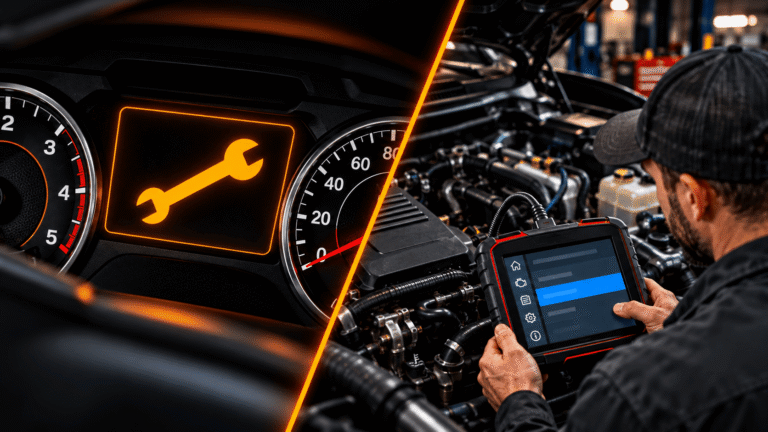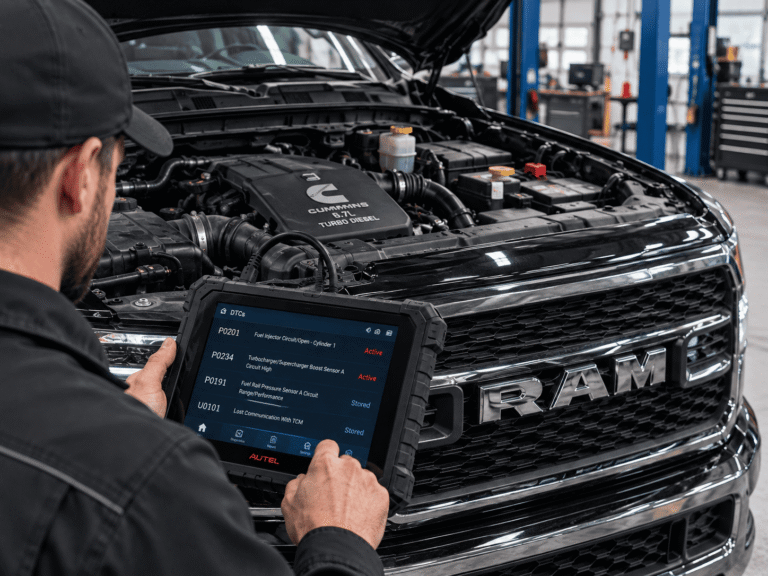
You just pulled a loaded gooseneck over a long grade. The truck didn’t complain once. Then you pop the hood at the fuel stop and see a damp, oily film around the valve cover, and maybe a little oil sitting in the intake hose by the turbo. Nothing is broken yet, but your engine is clearly trying to tell you something.
Most of the time that message comes from a part most RAM owners never think about: the Cummins 6.7 crankcase filter. In this guide you’ll learn what it does, why heavy towing beats it up, which symptoms to watch for, and how smart tuning and regular maintenance keep your crankcase pressure under control.
What Is a Crankcase Filter and Why Does Your Diesel Need One?
Every engine leaks a little combustion gas past its piston rings. That gas is called blow-by, and in a diesel there’s a lot of it. The 6.7L Cummins runs a compression ratio of roughly 17:1, and under load its cylinder pressures are huge. Some of that pressure always slips past the rings into the crankcase, and it carries oil mist, soot and unburned fuel with it.
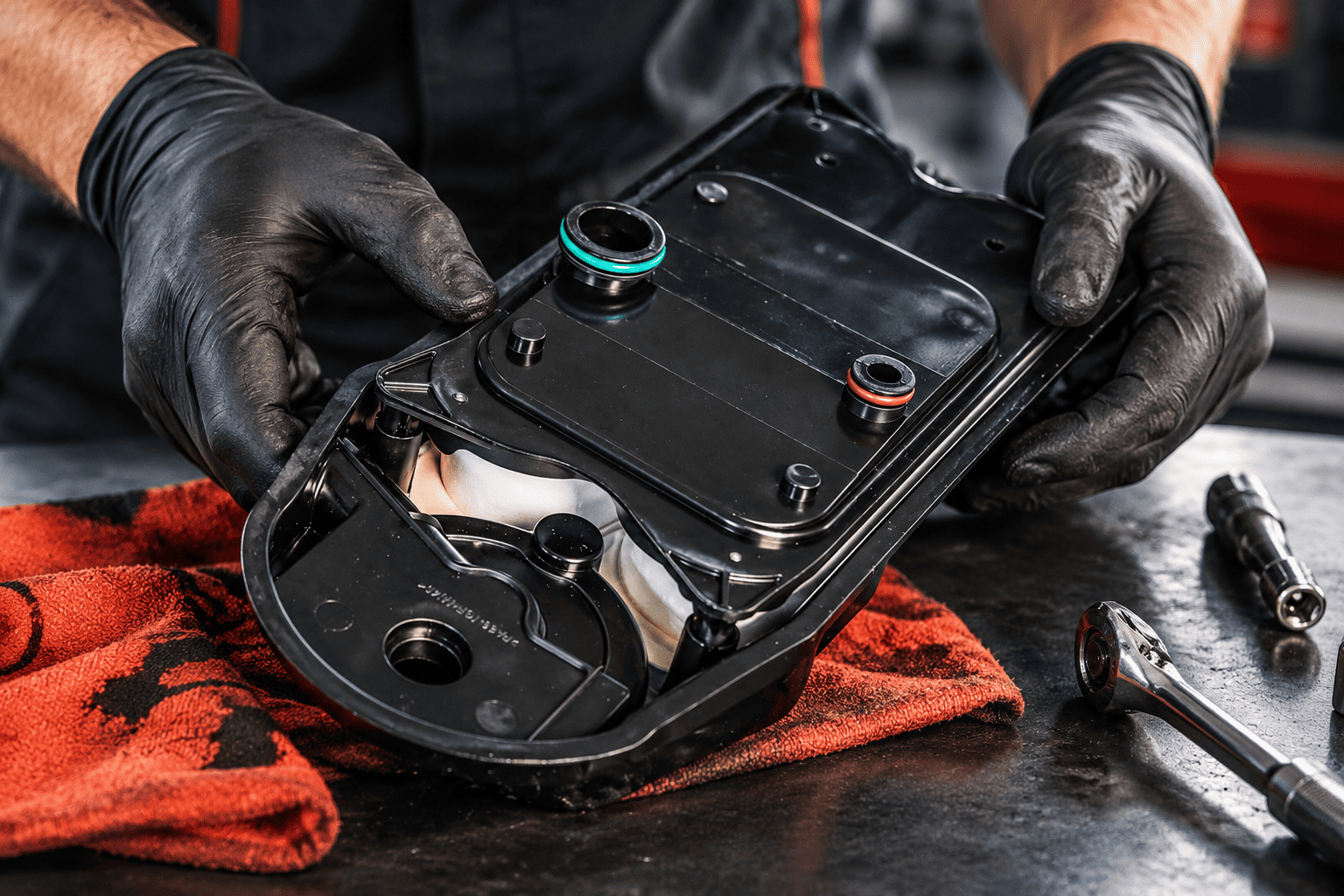
That gas has to go somewhere. Older diesels just vented it to the road through a draft tube. Since the 2007.5 model year, RAM’s Cummins uses a closed crankcase ventilation (CCV) system instead. Blow-by is routed through a crankcase filter (also called a breather filter or CCV filter) that separates the oil from the gas. The oil drains back into the sump, and the cleaned vapor is fed into the turbo inlet to be burned.
That’s why your diesel needs active crankcase pressure management, not just a hole to vent through. The system has two jobs at once:
- Keep crankcase pressure low so oil isn’t forced out past gaskets and seals.
- Keep oil out of the intake so the turbo, intercooler and intake tract stay clean.
When the filter is healthy, both jobs happen quietly. When it clogs, both start to fail together.
Where Is the Crankcase Filter on a 6.7 Cummins?
On most 2007.5–2018 trucks, the filter element sits in a housing at the front of the engine, near the top of the gear housing and valve cover. RAM lists it as a scheduled maintenance item, so it’s worth checking the interval in your owner’s manual. Many owners who tow often replace it sooner than the manual asks. Later model years use a redesigned breather setup, so confirm the correct part and procedure for your exact year before you order anything.
Common Failures Associated with Heavy-Duty Towing
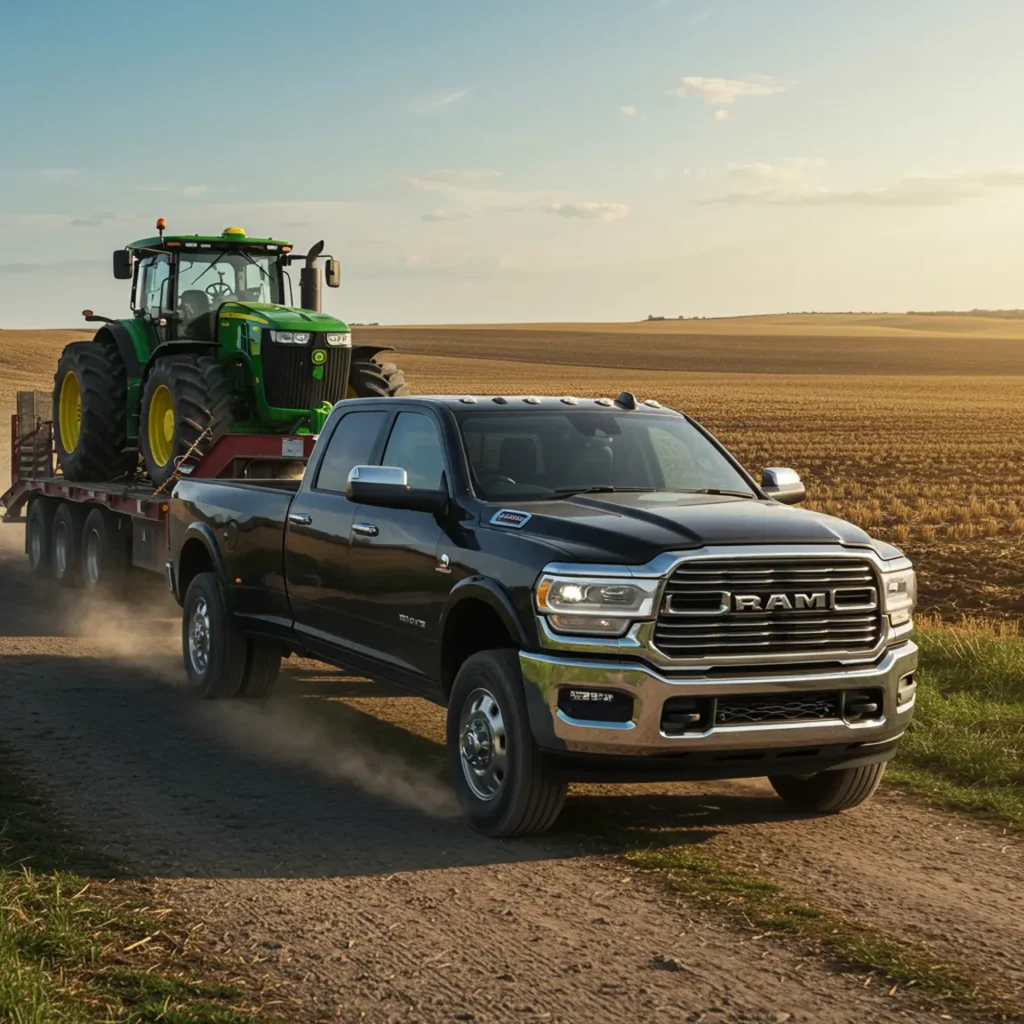
An empty RAM cruising on the highway barely works its crankcase ventilation system. Hook up a 20,000-lb fifth wheel and it’s a completely different story.
How Heavy Loads Increase Blow-By Gases
Towing means more fuel, more boost and higher cylinder pressure, and you hold that load for long stretches. Each of those adds to blow-by:
- Higher combustion pressure pushes more gas past the rings on every power stroke.
- Sustained load means there’s no recovery time like you get in light-duty driving.
- Higher oil temperatures thin the oil and create more oil vapor inside the crankcase.
- High mileage makes all of this worse, because worn rings and cylinder walls let even more gas through.
How a Stock Filter Element Gets Overloaded
The factory filter is a coalescing element. It catches tiny oil droplets until they merge into larger drops that can drain away. Under heavy towing it gets hit with far more oil mist and soot than it was designed to handle day to day. Over time the media fills with a sticky mix of oil and carbon, so less gas flows through and drainage slows down.
Once that restriction builds, crankcase pressure climbs. The engine then finds its own way to relieve it, and those ways are never the ones you want.
Symptoms of a Clogged Crankcase Filter
- Oil seeping from the valve cover gasket or front cover area.
- Oil residue at the dipstick tube, or a dipstick that works itself loose.
- Oil in the turbo inlet hose, intercooler boots or intake piping.
- Higher oil consumption between changes with no obvious external leak.
- Heavy fumes coming from the oil fill opening with the engine idling.
Fixes: What Actually Works
- Replace the filter element with a quality OEM-spec part, and replace the housing seal or O-ring at the same time.
- Inspect the drain path. A clogged drain will flood even a brand-new filter.
- Clean the intake side if oil has already reached the turbo inlet or intercooler piping.
- Do a simple blow-by check. If a fresh filter doesn’t calm the fumes at the oil fill, the real problem may be internal wear, and that calls for a proper mechanical diagnosis.
- Shorten your service intervals if you tow heavy for most of your miles.
Optimizing Engine Performance with Tuning
A new filter treats the symptom. The smarter long-term question is what’s going into your crankcase in the first place, and that’s where engine calibration matters.
How Tuning Reduces Oil Degradation and Combustion Side-Products
The factory calibration is built around emissions hardware. To regenerate the diesel particulate filter, the ECM uses late post-injection events, spraying fuel after the main combustion event. Some of that fuel can wash past the rings and end up in your oil. That’s called fuel dilution, and it thins the oil and weakens its protection. The EGR system adds to the problem by sending soot-laden exhaust back into the cylinders, and part of that soot ends up in the crankcase.
A properly built tune for off-road and competition use changes the picture:
- Post-injection events disabled, so no fuel is sprayed into the cylinder just to heat the DPF.
- Optimized injection timing for a more complete burn and less soot.
- Cleaner combustion, which means cleaner blow-by and less sludge loading on the crankcase filter.
Let’s be honest about one thing: more power does not mean less blow-by. The most aggressive stage under a max-weight trailer raises cylinder pressure. The real advantage of tuning is control. You choose a calibration that fits the job, and you can see exactly how the engine is responding.
Combining Custom Tuning with Routine Mechanical Maintenance
Tuning and maintenance work as a team. Neither one replaces the other. Here’s a practical routine for trucks that tow often:
- Oil and filter: change on the severe-service schedule, not the light-duty one.
- Crankcase filter: inspect at every other oil change and replace at the first sign of oil weeping.
- Air filter: a restricted intake raises EGTs and makes the engine work harder.
- Fuel filters: clean fuel matters even more once injection timing has been optimized.
- Gauges: watch EGT and boost on long pulls and back off before temperatures climb too high.
Why RaceME Ultra Is the Ultimate Companion for RAM Owners
If you want tuning that respects how your truck is actually used, the RaceME Ultra was built for exactly that. It’s a plug-and-play tuner and digital monitor for 2007.5–2024 RAM 2500, 3500, 4500 and 5500 trucks with the 6.7L Cummins.
5 Selectable Performance Stages (Up to +200 HP)
You get five selectable stages, from Stage 0 (stock power with emissions systems disabled) up to +200 HP at the rear wheels. This is where you match the tune to the load. Run a milder stage with the trailer hooked up, then step up when the truck is empty. Exact gains depend on your model year.
Up to 25% Fuel Savings When Towing Up to 37,100 lbs
With the emissions-driven regen cycles gone and timing tuned for efficiency, RaceME reports up to 25% better fuel economy while towing, with towing capability up to 37,100 lbs. Lower fuel spend is great. Fewer regen-related post-injections also take a big source of oil dilution away from your crankcase.
Comprehensive Monitoring of Vital Engine Sensors
The RaceME Ultra Monitor Unit works as a real-time digital dashboard. It shows EGT, boost and engine temperatures on customizable gauge layouts, and it can read and clear diagnostic trouble codes. If temperatures start creeping up on a long climb, you’ll see it before the engine has to deal with it. It also includes ECM recovery, adjustable speed limiter, speedometer correction for bigger tires and free software updates.
Note: 2022–2024 trucks require a 2019–2021 ECM. RaceME Ultra is intended for off-road and competition use only. Always check your local and state emissions laws before modifying your vehicle.
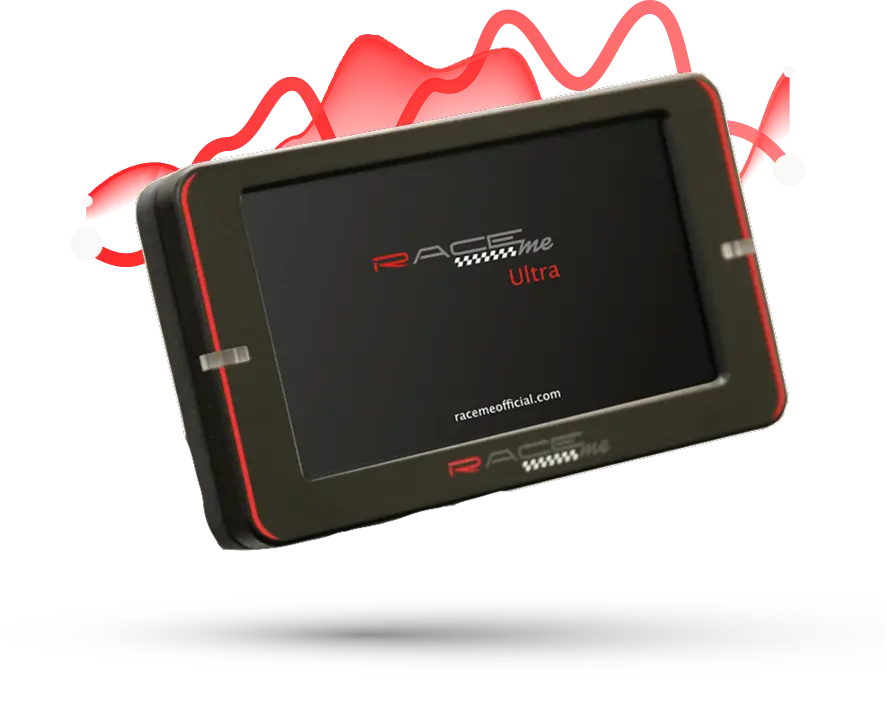
RaceMe ULTRA Diesel Performance Tuner
✅ US Authorized dealer
✅ Free shipping & 2–3 business days delivery
✅ No duties & No cross-border delays
✅ 30-day money back
✅ Premium support 24/7