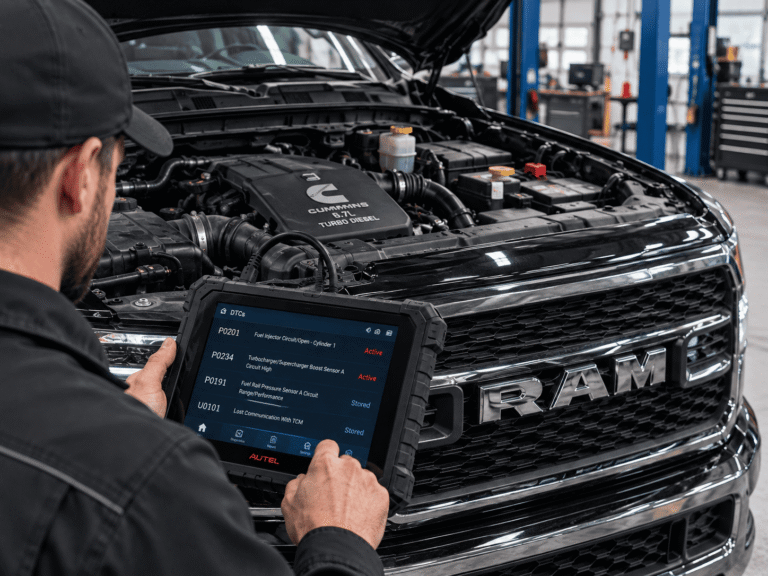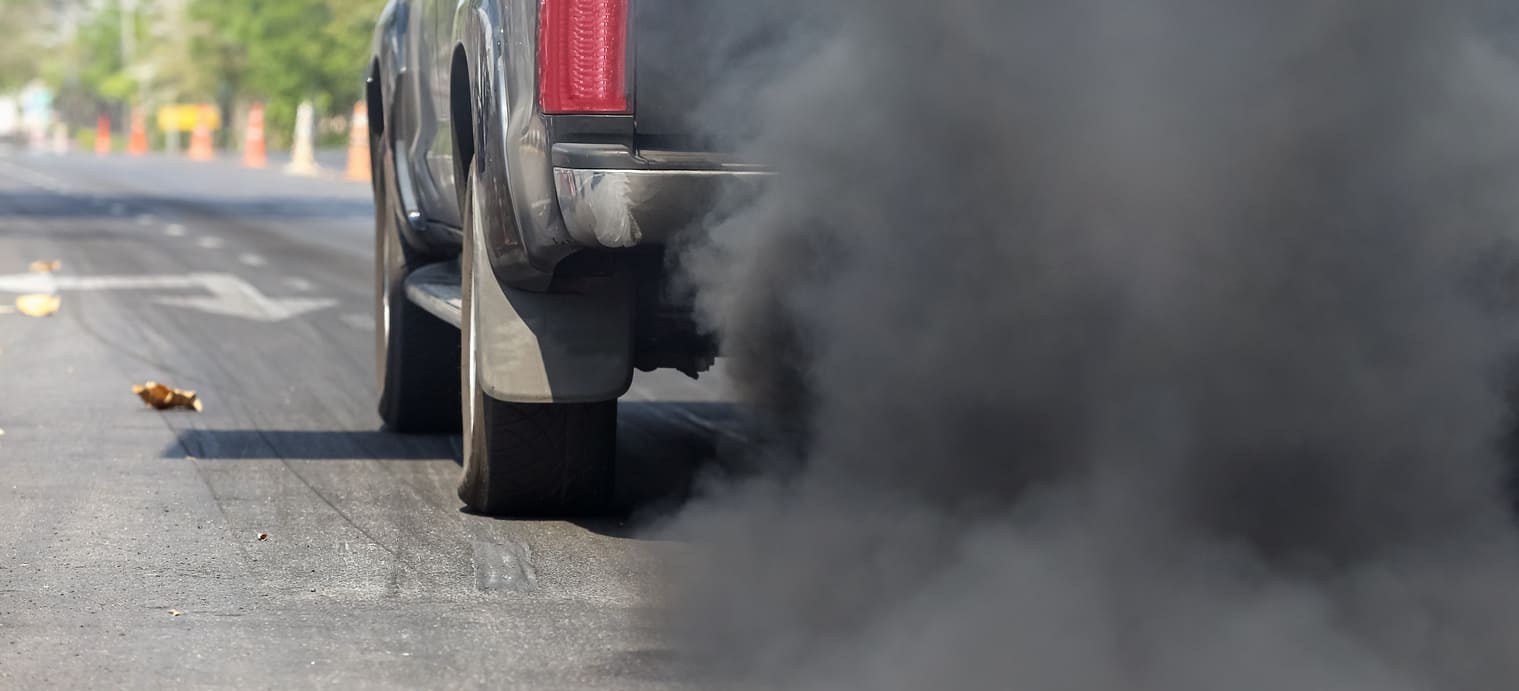
On a 6.7L Cummins Turbo Diesel, your tailpipe is essentially an open-air diagnostic scanner. While the older 12-valve and 24-valve 5.9L rigs were notorious for puffing smoke under load, a factory-spec 6.7L Cummins (2007.5+) equipped with an intact Diesel Particulate Filter (DPF) should produce virtually zero visible emissions.
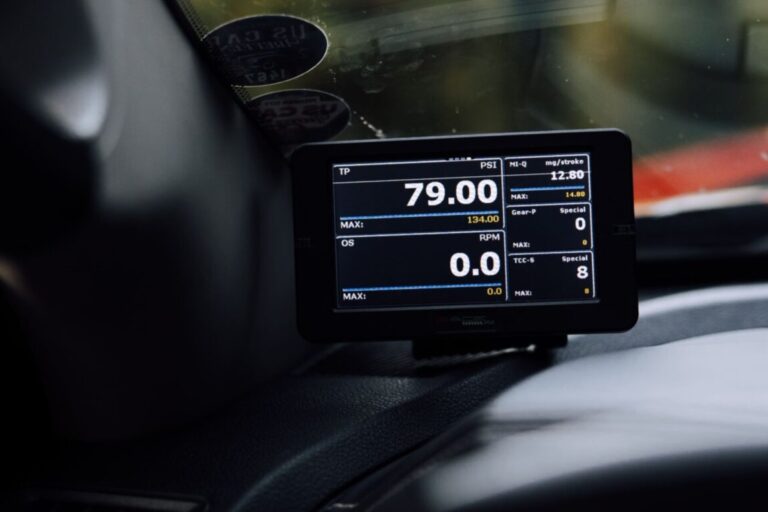
When your Ram starts blowing color, the engine is pinpointing an internal imbalance. While having a top-tier digital monitor on your dash is the best way to track your engine’s health in real-time, knowing how to decode your exhaust is a crucial skill. Here is what your Cummins is trying to tell you.
Black Smoke: Too Much Fuel, Not Enough Air
Black smoke is unburnt carbon—soot created when the combustion chamber receives more diesel than the available air can burn.
- Boost Leaks: A split silicone intercooler boot or a cracked charge air cooler robs the cylinders of pressurized air under heavy load.
- Sticky VGT Actuator: The Holset HE351VE variable-geometry turbo relies on sliding nozzle vanes. Soot buildup frequently jams these vanes, causing sluggish spool-up and an overly rich mixture off idle.
- Dirty Air Path: A severely clogged air filter or a fouled Manifold Absolute Pressure (MAP) sensor feeding incorrect boost readings to the ECM.
- Poor Tuning or Over-Fueling Injectors: A worn injector nozzle delivers a sloppy, non-atomized spray pattern. Likewise, a generic, poorly written tune can dump fuel without the air to match it.
White Smoke: Raw Fuel vs. Vaporized Coolant
White smoke requires immediate attention. Your nose is the fastest diagnostic tool here:
- Sweet-Smelling Smoke: Indicates coolant entering the combustion cycle or hitting a hot exhaust. The primary culprits on a 6.7L are an internally cracked EGR cooler or a blown head gasket—especially if you’ve been running high boost on factory head bolts without proper monitoring.
- Acrid, Eye-Stinging Smoke: Indicates raw, unburnt diesel passing straight through the exhaust stroke. This points to a stuck-open injector, late injection timing, or a dropped cylinder suffering from low compression.
- Rule of Thumb: Pure water vapor on a freezing morning that dissipates within seconds is normal condensation. Smoke that lingers and drifts down the road is a mechanical fault.
Blue Smoke: Lubricating Oil
Blue or grayish-blue smoke with a distinct burnt-oil odor means engine oil is entering the combustion chambers or the scorching hot exhaust housing.
- Clogged CCV Filter: The Crankcase Ventilation filter inside the valve cover requires routine replacement. When plugged, crankcase pressure spikes, forcing engine oil past the turbo seals.
- Blown Turbo Seals: Oil leaks past the turbine-side seal directly into the downpipe, vaporizing into a heavy blue haze under acceleration.
- Internal Wear: High-mileage engines with worn valve stem seals or tired piston rings.
Staring at your rearview mirror to diagnose your truck is a reactive approach. If you want to be proactive, optimize your air-fuel ratio, and take absolute control over your 6.7L Cummins, you need the right command center on your dash.
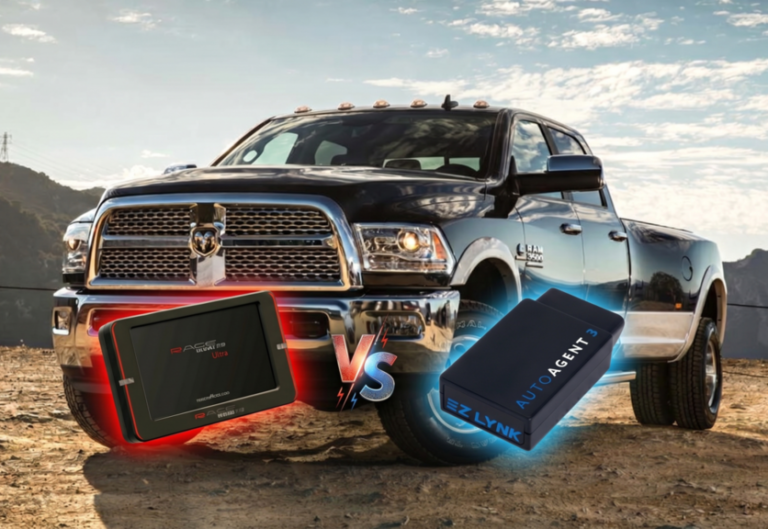
That is where the RaceME Ultra steps in as the ultimate solution.
The RaceME Ultra isn’t just a code reader; it is a complete command center for your 6.7L Cummins:
- Real-Time Diagnostics
- Prevent Soot Buildup
- Track-Ready Deletes
- Ultimate Monitoring
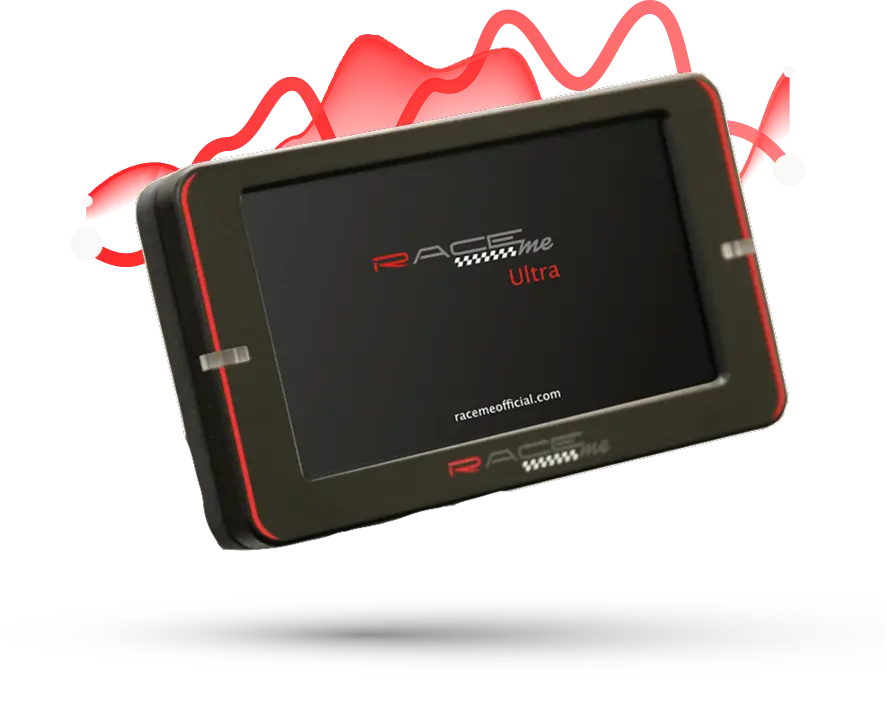
RaceMe ULTRA Diesel Performance Tuner
✅ US Authorized dealer
✅ Free shipping & 2–3 business days delivery
✅ No duties & No cross-border delays
✅ 30-day money back
✅ Premium support 24/7