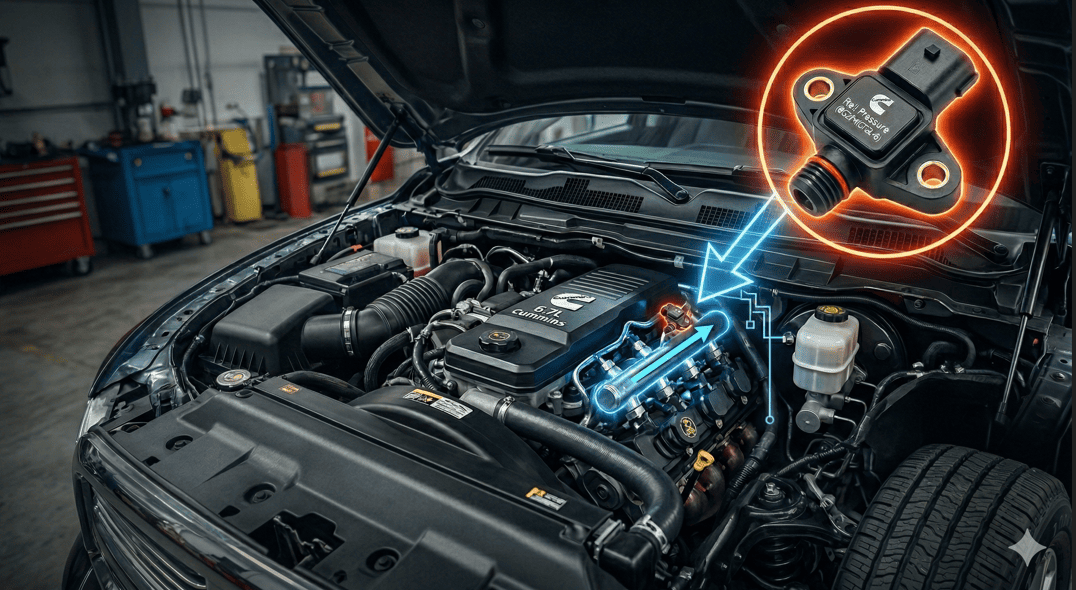
If you drive a modern diesel, you already know the thrill of that raw, torque-heavy power. But what actually dictates how effectively your engine turns diesel fuel into pure adrenaline? It all comes down to precision. While massive turbochargers and high-flow injectors usually get all the glory, there’s a tiny, unsung hero working behind the scenes: the fuel rail pressure sensor. If you’re serious about diesel performance, understanding and optimizing rail pressure is absolutely critical to the health and power of your truck. Let’s dive into why this little sensor can make or break your ride.
The Heartbeat of Your Common Rail Diesel
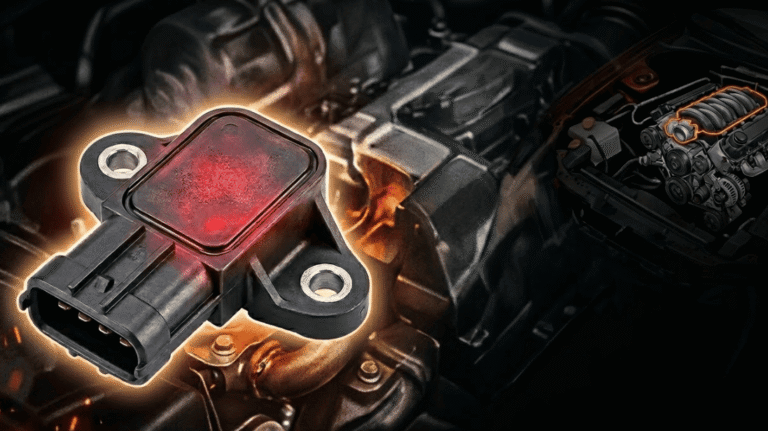
In a common rail diesel system, fuel is heavily pressurized and stored in a central tube (the rail) before it is injected directly into the cylinders. The fuel rail pressure sensor continuously monitors the exact pressure inside this tube and sends real-time data back to your Engine Control Module (ECM).
Think of it as the nervous system of your fuel setup. If the ECM doesn’t know the exact pressure at any given microsecond, it can’t command the injectors to open for the precise duration needed. When this sensor is highly accurate, your engine runs like a Swiss watch. When its data is off? You’re leaving significant horsepower on the table.

From Stock to Custom: ECM Reprogramming for Maximum Performance
The Science of Optimizing Rail Pressure
Why do we care so much about fuel pressure? It all boils down to fuel atomization. When diesel is pushed through the injector nozzles at optimal, ultra-high pressures, it turns into a fine, highly combustible mist. This creates a cleaner, hotter, and much more complete burn in the combustion chamber. Here is what that means for you behind the wheel:
- More Horsepower & Torque: A highly efficient burn directly translates to more mechanical force pushing down on your pistons, giving you that throw-you-in-your-seat acceleration.
- Lower Exhaust Gas Temperatures (EGTs): Efficient combustion prevents unburnt fuel from igniting late in your exhaust manifold, keeping your engine cooler during heavy towing.
- Better Fuel Economy: Getting the maximum amount of energy out of every single drop of diesel means you spend more time on the road and less time at the pump.
Symptoms of a Failing Rail Pressure Sensor
Sensors wear out, especially in an engine bay environment dealing with intense heat, extreme vibrations, and fuel pressures that can easily exceed 25,000 PSI. How do you know if your sensor is starting to ghost you? Look out for these telltale signs:
- Hard Starting or Rough Idling: The engine sputters or surges because it’s getting erratic, unpredictable fuel delivery.
- Sudden Loss of Power: If you step on the gas and feel a severe hesitation or a “dead pedal,” your ECM might be dialing back fuel due to dangerous pressure readings.
- Poor Fuel Economy: A faulty sensor often tricks the system into running unnecessarily rich, wasting your expensive diesel.
- Check Engine Light: This is usually accompanied by a P0191, P0192, or P0193 diagnostic trouble code on your scanner.
Keep Your Diesel Breathing Right
Upgrading your truck with custom diesel tuning is the best way to unlock its true potential, but remember that those tunes rely entirely on accurate sensor data. If your fuel rail pressure sensor is giving sluggish or false readings, even the most aggressive and expensive tune will fall flat. Don’t let a small electronic part hold back your engine’s capability.
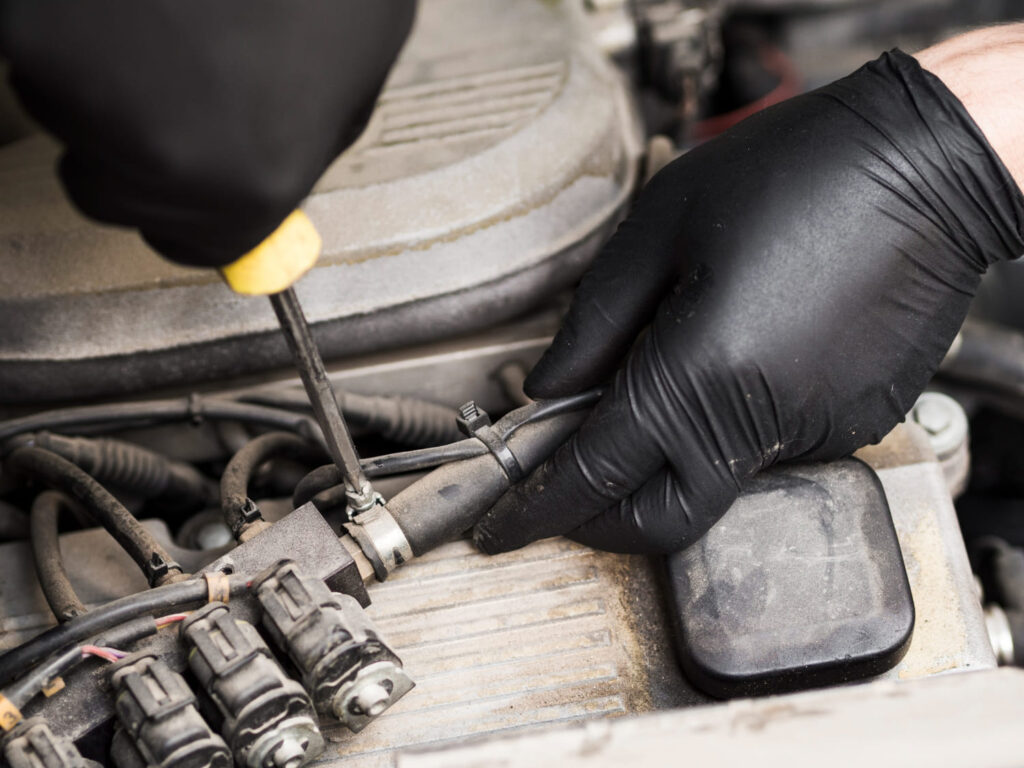
Why Your Diesel Tune Won’t Fix a Broken Truck
Frequently Asked Questions (FAQ)
Generally, no. These are highly sensitive electronic components sealed against extreme pressure. If the internal diaphragm is failing or the electronics are shot, replacing it with a high-quality part is the only reliable fix.
Up to a point, yes! But pushing pressure arbitrarily beyond your fuel system’s physical limits can damage your injectors or constantly blow the pressure relief valve. Proper diesel tuning ensures you hit the performance sweet spot safely.
While they can easily last over 100,000 miles, harsh driving conditions, poor fuel quality (like water in the fuel), or extremely aggressive aftermarket setups can shorten their lifespan. Regular fuel filter changes can help protect it.
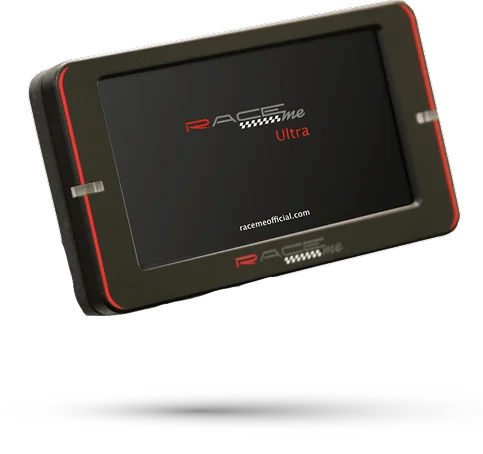
RaceMe ULTRA Diesel Tuner
- DPF/EGR/DEF Delete Options
- Works with RAM 2500/3500/4500/5500
- +200 HP Performance Boost
- Real–Time Monitoring & Tuning
- Easy Plug & Play Install + Updates Free