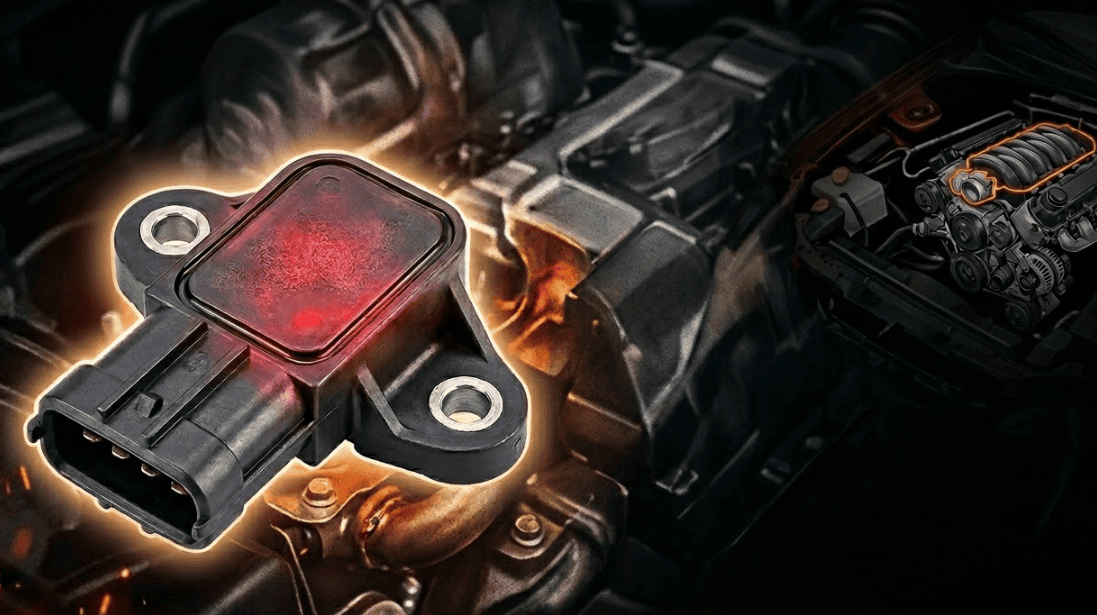
Have you noticed your diesel truck acting a little sluggish lately? Maybe it’s struggling to haul heavy loads up a grade, or you’re suddenly stopping at the fuel pump way more often than you used to. It’s incredibly frustrating when your rig loses its edge. But before you start tearing apart the turbo or replacing expensive fuel injectors, you might want to look at a much smaller, cheaper culprit: the MAP sensor.
When this tiny piece of electronics goes bad, it can completely ruin your driving experience. Let’s break down exactly how a failing MAP sensor drains your horsepower and destroys your MPG, and what you can do to get that raw diesel power back.
What Exactly Does a MAP Sensor Do?
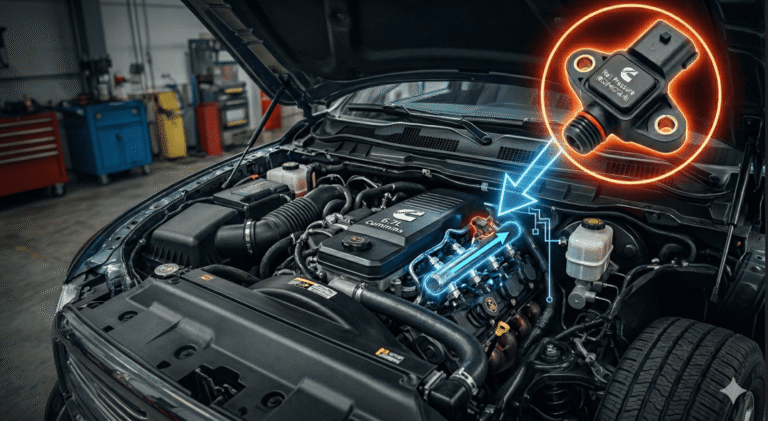
To understand the problem, you need to know what this little gadget actually does. MAP stands for Manifold Absolute Pressure. Located right on or near your intake manifold, this sensor’s job is to measure the air pressure pushing into your engine.
In a turbocharged diesel, air is everything. As your turbo spools up, it forces pressurized air into the cylinders. The MAP sensor reads this boost pressure and instantly sends a signal to your truck’s Engine Control Unit (ECU). The ECU uses this real-time data to calculate exactly how much fuel needs to be injected to match that incoming air. When everything works perfectly together, you get a clean, powerful, and efficient burn.
The Power Drain: Why Your Truck Feels Sluggish
So, what happens when the sensor gets clogged with thick diesel soot or just shorts out electronically? It starts lying to your truck’s computer.
If a faulty MAP sensor tells the ECU that there is less air entering the engine than there actually is, the computer will hold back the fuel. It does this to prevent the engine from running too lean or producing excessive emissions. The result? You step on the gas pedal, but the engine is essentially starving.
Your turbo might be pushing plenty of air, but without the right amount of fuel to match it, your diesel performance tanks. You’ll experience delayed throttle response, a frustrating lack of turbo spool, and a truck that feels like it’s dragging a heavy anchor.
The Fuel Economy Nightmare
On the flip side, a bad sensor can lie in the opposite direction. If it tells the ECU that there is more air entering the manifold than reality dictates, the computer will dump unnecessary extra fuel into the cylinders.
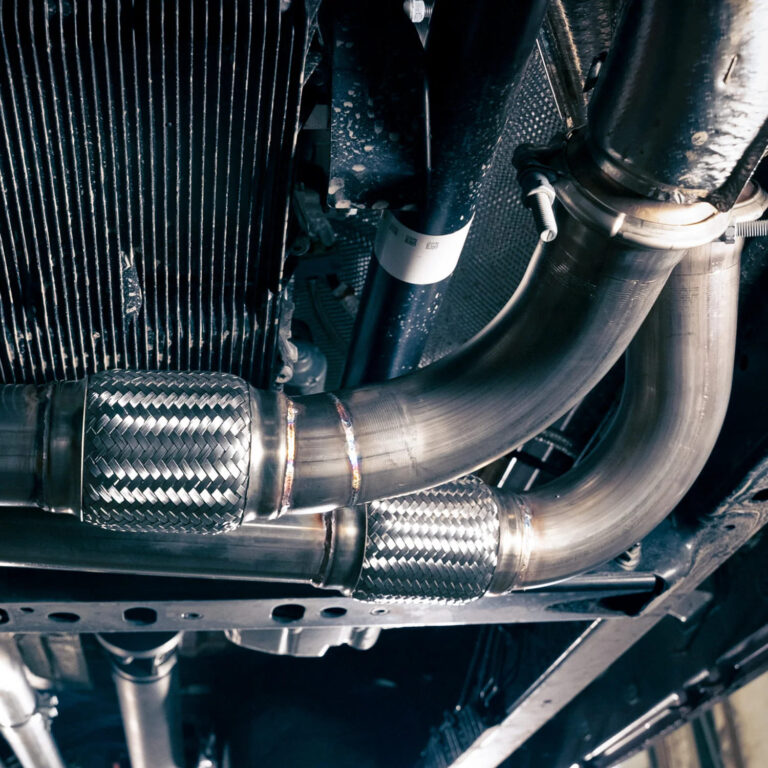
This creates a highly rich air-to-fuel ratio. Not only does this unburnt fuel wash down your cylinder walls, but it also creates thick, heavy black soot. This is a massive hit to your fuel economy. You are literally blowing expensive diesel straight out the tailpipe. Furthermore, all that extra soot will quickly clog up your exhaust components, leading to even more costly headaches down the road.
Signs It’s Time for a Fix
How do you know if this sensor is the root of your truck’s problems? Watch out for these telltale signs:
- Decreased fuel efficiency: A sudden, unexplained drop in your miles per gallon.
- Loss of engine power: Weak acceleration, sluggish passing, and difficulty towing.
- Rough idling: The engine sputters, surges, or struggles to maintain RPMs at a stoplight.
- Dark exhaust smoke: A constant stream of black smoke is a clear sign of unburnt fuel caused by inaccurate sensor readings.
- Check Engine Light (CEL): The ECU will often throw a diagnostic trouble code when the sensor reads out of the expected range.
Why Your Diesel Tune Won’t Fix a Broken Truck
Get Your Diesel Back to Peak Performance
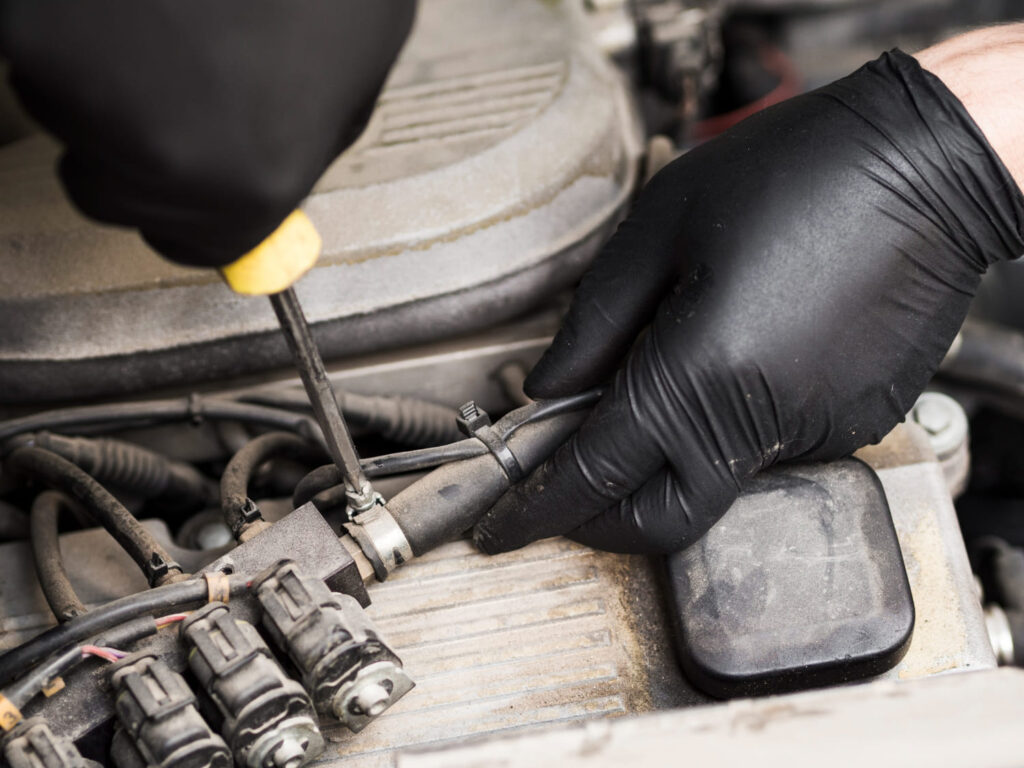
Don’t let a dirty or failing sensor rob you of the performance you paid for. If you’re experiencing these issues, pulling the MAP sensor and giving it a careful clean with a dedicated electronics cleaner is a fantastic first step. If it’s completely shot, replacing it is usually a quick and highly affordable fix.
But if you want to make sure your truck is always running at its absolute best, optimizing your engine’s software is the ultimate game-changer. At RaceME Official, we specialize in helping diesel owners unlock the true, hidden potential of their rigs. Whether you’re looking to maximize your fuel mileage, drastically improve throttle response, or simply make sure your engine is running as efficiently as possible, our premium tuning solutions are designed to deliver. Head over to our shop at RaceME Official to find the perfect tuner to keep your diesel running strong, clean, and powerful for miles to come.

RaceMe ULTRA Diesel Tuner
- DPF/EGR/DEF Delete Options
- Works with RAM 2500/3500/4500/5500
- +200 HP Performance Boost
- Real–Time Monitoring & Tuning
- Easy Plug & Play Install + Updates Free
Frequently Asked Questions (FAQ)
Technically, yes, but it is highly discouraged. Driving with a faulty sensor will cause poor performance, terrible fuel economy, and can eventually lead to severe engine or exhaust system damage from excessive soot buildup.
There is no strict mileage interval, but diesel engines equipped with EGR systems tend to build up soot in the intake manifold much faster. It’s a great maintenance habit to inspect and carefully clean the sensor every 30,000 to 50,000 miles to prevent performance issues.
If your old sensor was failing and causing the engine to over-fuel, replacing it will restore the correct air-to-fuel ratio. This will immediately improve your fuel economy and bring it back to its optimal factory standards.